
English| EUR
Suggested for you
More currencies
Choose a language
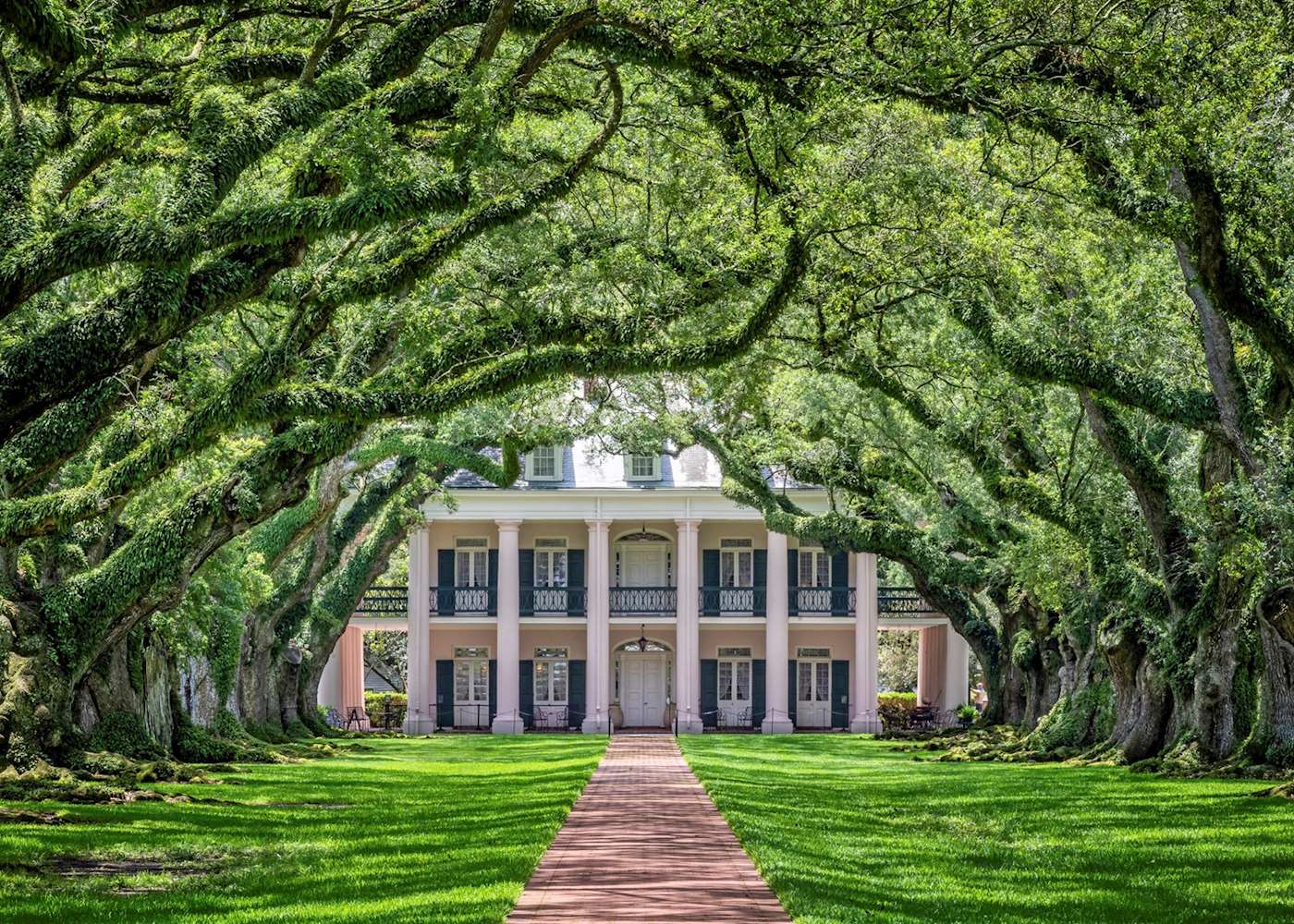
Oak Alley Plantation operates five restored cottages on its 25-acre property, making overnight stays possible for visitors who want to experience the grounds beyond daylight hours. The cottages occupy the same land where enslaved workers once lived, now adapted for modern lodging while the estate preserves its antebellum architecture and river setting.
Quick answer
Yes, you can stay overnight at Oak Alley Plantation through its five on-site cottages located on the historic grounds in Vacherie, Louisiana. Each cottage sleeps two to six guests and includes access to the property after public hours close at 16:45, allowing you to walk the alley of oaks and grounds without day-visitor crowds. Reservations require advance booking directly through the plantation's accommodation system, and rates vary by cottage size and season.
Oak Alley maintains the only overnight lodging directly on a River Road plantation property between New Orleans and Baton Rouge, a setup that distinguishes it from neighboring estates where visitors must book off-site hotels. The five cottages occupy former slave quarters that the estate renovated in the 1990s, preserving exterior structure while installing climate control and private bathrooms. Each unit faces either the double row of live oaks or the cane fields that still border the property, and guests receive keys to walk the grounds between dusk and dawn when tour groups have left. Staying overnight at a plantation in New Orleans-area properties like Oak Alley shifts the experience from a scripted house tour to an immersive encounter with the landscape itself. After the last guided tour departs, the 300-year-old oak canopy and the levee trail along the Mississippi become accessible without interpretation, letting you set your own pace through the same environment enslaved workers, overseers, and the Roman family inhabited across two centuries. The plantation provides no meal service, but the cottages include kitchenettes, and Vacherie's few restaurants close early, so guests typically bring provisions or dine before arrival. Cottage availability concentrates on weekends and requires booking two to three months ahead for spring and fall dates when weather makes the grounds most walkable. The estate does not operate the cottages as a traditional bed-and-breakfast; there is no front-desk check-in building, and staff coordinate arrival times by phone to meet guests at the main gate off Highway 18. Overnight guests gain complimentary access to the Big House tour during their stay, which runs continuously from 08:30 through the afternoon, though the interpretive focus remains on the Roman family's occupancy and the enslaved community's labor rather than the accommodation experience itself.
“The oak alley and levee trail become entirely yours once the tour buses pull away and the river light turns gold.”
While overnight accommodations are not available at the historic main house, timing your visit is essential to manage heat and site occupancy. The best arrival window is 08:30–10:30 to avoid mid-day heat and large tour groups arriving from the city.
—
Arriving early ensures you tour the grounds before larger groups arrive from New Orleans.
Mild to warm; 65°F to 80°F
Spring provides comfortable temperatures for walking the grounds, though mid-morning remains the best time to visit.
Hot and humid; 85°F to 95°F
Summer months bring intense heat; early morning arrival is critical for comfort.
Pleasant; 60°F to 75°F
Autumn is ideal for outdoor exploration, but arriving between 08:30–10:30 remains the optimal strategy to avoid peaks.
Verdict: For the most comfortable and quiet experience, plan your visit for a weekday morning between 08:30 and 10:30 during the spring or fall months.
Oak Alley Plantation operates on a consistent schedule throughout the week, providing daily access to the grounds and historical site. Visitors should plan their trip according to these established hours of operation.
Oak Alley Plantation is located at 3645 Highway 18 (Great River Road), Vacherie, LA 70090, USA. As there is no overnight lodging available on the property, visitors must plan for round-trip transportation to and from New Orleans.
Follow LA-18 W (Great River Road)
Via I-10 W and LA-3127 W
Guided tour shuttle service from New Orleans
Parking is available onsite for private vehicles. For the most efficient experience, prioritize arrival during the recommended window of 08:30–10:30 to avoid the peak heat and the arrival of large tour groups from the city.
Oak Alley Plantation was established in 1837 by Jacques Telesphore Roman III, a wealthy Creole sugar planter who purchased the property and commissioned architect Joseph Pilie to design the Greek Revival mansion. The estate derived its name from the double row of 28 live oak trees planted in the early 1700s by an unknown French settler, predating the Big House by more than a century. These oaks, now over 300 years old, frame the quarter-mile approach from the levee and remain the site's defining architectural feature. During the antebellum period, the plantation operated as a forced-labor sugar enterprise, with more than 220 enslaved individuals working the fields and processing mills by 1860. The Roman family lost Oak Alley after the Civil War due to debt and sugar crop failures. The property changed hands multiple times before Andrew and Josephine Stewart acquired it in 1925 and undertook extensive restoration of the deteriorating mansion. Josephine Stewart bequeathed the estate to the Oak Alley Foundation in 1972, ensuring its preservation as a nonprofit historic site. The Foundation opened the grounds to public tours and added interpretive exhibits documenting both the architectural legacy and the experiences of enslaved communities. While overnight accommodations are not offered within the historic mansion, visitors today can tour the restored Big House, explore the reconstructed slave quarters along the levee, and walk beneath the ancient oak canopy that defines can you stay at a plantation in new orleans inquiries for this landmark.
Unknown French settler plants double row of 28 live oak trees along the approach from the Mississippi River levee.
Jacques Telesphore Roman III purchases the property and commissions Greek Revival mansion designed by Joseph Pilie.
Plantation operates 220 enslaved workers cultivating sugar cane across 1,200 acres at peak antebellum production.
Roman family loses estate following Civil War collapse of sugar economy and mounting debt.
Andrew and Josephine Stewart acquire Oak Alley and begin multi-decade restoration of the deteriorating Big House.
Josephine Stewart bequeaths the property to Oak Alley Foundation, establishing nonprofit stewardship and public access.
Everything you need to know about can you stay at a plantation in new orleans
Oak Alley Plantation does not offer overnight guest rooms in the historic Big House, meaning you cannot stay at a plantation in New Orleans at this specific location. Visitors are welcome to explore the grounds and historic exhibits during standard operating hours.
Yes, this location is a premier destination for those exploring historic Southern landmarks near the Mississippi River. The site is famous for its quarter-mile alley of ancient live oaks leading to the mansion.
While many visitors look for lodging, you cannot stay at a plantation in New Orleans at Oak Alley even if you book a guided tour. Tours focus on the architectural history and the lives of the people who lived and worked on the property.
To make the most of your visit, aim to arrive during the early morning window to avoid the mid-day heat and large crowds. Proper planning ensures you have enough time to walk the grounds and visit the exhibit areas comfortably.
Many travelers wonder if they can stay at a plantation in New Orleans, but overnight accommodations are not available at Oak Alley. Guests must plan to stay in nearby cities or hotel areas during their travels.
General admission with the Big House tour is 30 USD per adult. This fee grants access to the historic mansion and the surrounding site grounds.
You cannot stay at a plantation in New Orleans overnight at this property, so a day trip is the standard approach. Most visitors combine their tour with a visit to other regional attractions before returning to the city.