
5 hr 40 min
High-Speed Airboat Adventure Through Louisiana Swamps
Zip through wetlands at thrilling speeds, spot gators up close, and explore hidden marshes unreachable by regular vessels
Reserve
Hand-picked by our editors — only the best 5 experiences from 12 reviewed.
Verified partners for every tour, free cancellation where available, and instant confirmation on every booking.
5 hr 40 min
Zip through wetlands at thrilling speeds, spot gators up close, and explore hidden marshes unreachable by regular vessels
Reserve
8 hr 30 min
Step into Louisiana's past at a grand plantation, then speed through swamplands searching for gators
Reserve
7 hr 30 min
Journey through Louisiana's wild swamps and explore a legendary antebellum estate in one unforgettable day
ReservePrices from verified partners. Availability updates in real time at checkout. Free cancellation policies apply where shown.
The landmarks, rooms, and views travelers on this tour remember — all visible on a single visit.
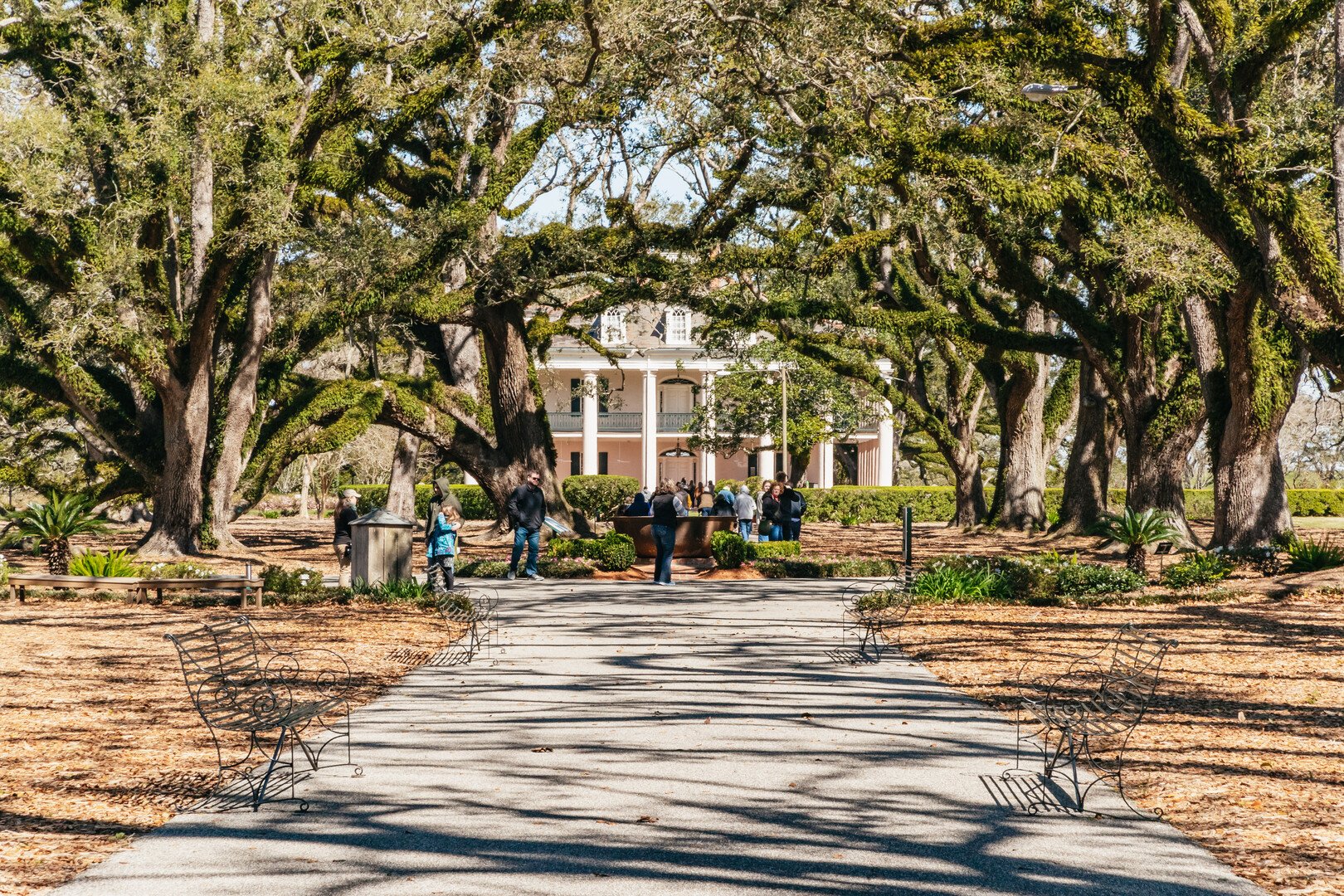
The iconic path features 28 massive live oak trees planted in the early 1700s. These trees form a canopy that stretches over 800 feet toward the Mississippi River.
This Greek Revival architecture masterpiece was completed in 1839. It contains 28 identical columns, matching the number of oak trees in the alley.
This area details the economic history of the region and the scale of agricultural production. It provides context on the primary crop that built the plantation wealth.
Exhibits here focus on the impact of the conflict on the River Road corridor. It highlights the military history of the surrounding area.
This structure demonstrates the craftsmanship required for daily plantation operations. It showcases tools used for maintenance and agricultural labor.
They serve distinct purposes; Oak Alley provides a window into antebellum architectural elegance, while the Whitney focuses on the lived experience of those enslaved on site. Deciding between these New Orleans landmarks depends on whether you prioritize the visual grandeur of the Old South or a somber, narrative-driven historical account.
| Feature | Top pick Oak Alley | Whitney Plantation |
|---|---|---|
Primary Focus |
Architectural beauty and landscaping | |
Experience Style |
Guided house tours and grounds exploration | |
Key Narrative |
Family history and 19th-century sugar production | |
Photography Focus |
Famous oak-lined path and Greek Revival exterior | |
Visitor Takeaway |
Appreciation of plantation aesthetic and preservation | |
Primary Focus |
Slavery history and memorialization | |
Experience Style |
Narrative-led walking tour of memorials and cabins | |
Key Narrative |
Personal accounts of enslaved individuals | |
Photography Focus |
Slave cabins and poignant structural memorials | |
Visitor Takeaway |
Deep understanding of the institution of slavery | |
| See tickets → |
Verdict: Choose Oak Alley for its iconic scenery and historical home, or select the Whitney for a dedicated, raw examination of the enslaved experience that remains a vital component of new orleans whitney plantation and swamp tour tours for many guests seeking new orleans whitney plantation and swamp tour tickets.
Choose your ticket, select your date, and reserve in under two minutes. Secure checkout handled by our verified partner.
Instant confirmation by email, with a mobile voucher you can save offline. No printing, no queuing at a collection desk.
Arrive at the entrance, show your voucher on your phone, and walk in. Most tickets include priority or skip-the-line access.
Practical details for your visit straight from our verified partners — hours, access, rules, and how to get there.
3645 Highway 18, Vacherie, LA 70090
Check in at the ticket office.
Follow Highway 18 along the Mississippi River. Parking is available onsite at no additional charge.
Casual, comfortable clothing and supportive walking shoes are recommended for the gravel paths. The environment remains humid, so breathable fabrics are advised for any new orleans whitney plantation and swamp tour visitor.
Standard backpacks and purses are permitted but may be subject to inspection at the gate. Large luggage or bulky equipment should remain in your vehicle during your new orleans whitney plantation and swamp tour experience.
Personal photography is permitted in most outdoor areas and gardens. Tripods and professional lighting equipment are prohibited without prior authorization during your new orleans whitney plantation and swamp tour photography.
The grounds consist of historic gravel paths that can be uneven. While the Big House has stairs, the gardens and alleyway are accessible for most visitors.
Mobile phones are permitted for personal photography and communication. Please silence devices during guided tours to maintain a respectful atmosphere for all guests.
Families are welcome, though the historical context requires mature engagement. Strollers are difficult to maneuver on the gravel paths of this new orleans whitney plantation and swamp tour site.
The onsite restaurant provides lunch options and snacks. Outside food is not permitted in the historic structures or the main Oak Alley Plantation garden area.
Pets are not allowed on the plantation grounds or inside buildings. Certified service animals as defined by the ADA are the only exception to this policy.
Smoking and vaping are strictly prohibited on the entire property. Guests should remain on designated paths to preserve the natural landscape and historic site integrity.
Best time to go, insider tips, nearby landmarks, and the cancellation fine print — flip through to skim what matters to you.
How crowds, weather, and events shift across the year.
March to May offers pleasant temperatures for walking the grounds. Flowers are often in bloom during these months.
June to August is very humid and hot. Arrive at 08:30 to avoid the peak heat and afternoon humidity.
September to November features cooling temperatures. It is an ideal time for photography and outdoor exploration.
December to February provides the coolest weather of the year. Crowds are generally thinner on weekdays.
Small details that turn a good visit into a great one.
The best arrival window is 08:30–10:00 to avoid midday tour groups. This ensures a quieter visit to the Big House and the grounds.
Louisiana humidity is high year-round. Carry a refillable water bottle throughout your new orleans whitney plantation and swamp tour day.
The oak alley offers shade, but the surrounding fields are exposed. Wear a hat and apply sunscreen before starting your tour.
Gravel paths make heels or open-toed sandals impractical. Sturdy walking shoes are recommended for comfort.
Summer showers are frequent but often short-lived. A lightweight rain poncho is useful during the rainy season.
Non-bookable sights within a short walk — free to visit, easy to pair.
A historic Creole plantation offering guided tours. Learn about the unique architecture and local history of the region.
A working sugarcane farm and historic site. It offers a view into the agricultural history of Louisiana.
The major waterway that shaped the economy of the region. Provides a scenic backdrop for the area.
Flexible, no hidden fees.
Cancellations must be made at least 24 hours in advance to receive a full refund. The 30 USD admission fee is subject to these standard terms.
Hand-picked options within walking distance — pick a district for vibe, or a specific hotel for convenience.
Historic cottages located directly on the grounds.
Diverse lodging options in the historic city center.
Convenient lodging near the state capital.
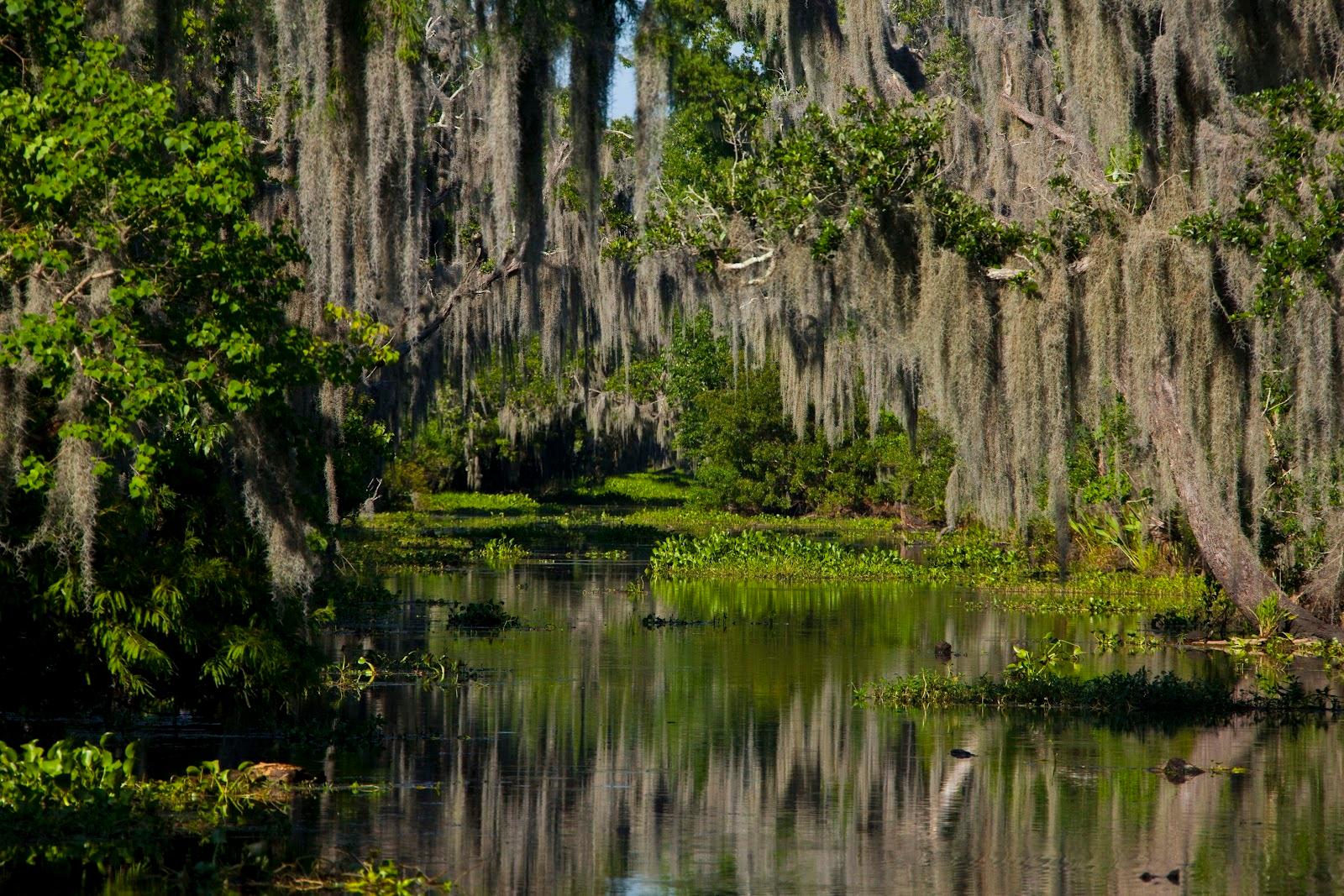
The New Orleans Whitney Plantation and swamp tour combines two profound Louisiana landscapes: the former sugar estates along River Road and the cypress-kneed wetlands that shaped the region's ecology and economy. Whitney Plantation, opened as a museum in 2014, stands as the only former slave estate in Louisiana dedicated exclusively to documenting the lives of enslaved people. Its 18 original structures include the Big House, built in 1790, plus kitchens, jail cells, and reconstructed slave quarters that hold testimony to the 350 men, women, and children held in bondage there between 1752 and 1865. The swamp tour component explores the Barataria Basin or Manchac Swamp, both federally protected wetlands within an hour of the city. These waterways supported Indigenous Chitimacha communities for millennia before becoming escape routes for enslaved people and smuggling corridors for Jean Lafitte's privateers in the early 19th century. Bald cypress trees, some over 1,000 years old, anchor ecosystems sustaining alligators, egrets, herons, ibises, and nutria. Water hyacinth and duckweed carpet slower channels while Spanish moss drapes the canopy. High-speed airboats navigate shallow backwater that standard vessels cannot reach, accessing habitats where alligators sun on logs and roseate spoonbills forage. Combination tours gained popularity after 2018 when operators began pairing plantation education with ecological immersion, recognizing that both sites illuminate how human and natural systems intersected in shaping Louisiana. The whitney plantation swamp combo tour typically allocates two hours at Whitney for guided interpretation of memorials, the Wall of Honor inscribed with 107,000 enslaved names, and first-person accounts, followed by 90 minutes on the water. Oak Alley Plantation, with its quarter-mile canopy of 300-year-old live oaks, appears on some itineraries as an architectural counterpoint. The Louisiana bayou plantation adventure format addresses a practical reality: River Road plantations stand 60-90 minutes from New Orleans, and swamp access points lie along the same western corridor. Bundling visits eliminates redundant driving while offering historical context for the wetlands' role in plantation-era commerce and resistance. Tour operators work with licensed naturalist guides and historians who hold credentials in environmental education or public history, ensuring accuracy in both ecological and human narratives.
"Whitney Plantation stands as the only former slave estate in Louisiana dedicated exclusively to documenting the lives of enslaved people."
A step-by-step walkthrough of the visit — what you'll see, how long each stage takes, and the details that matter.
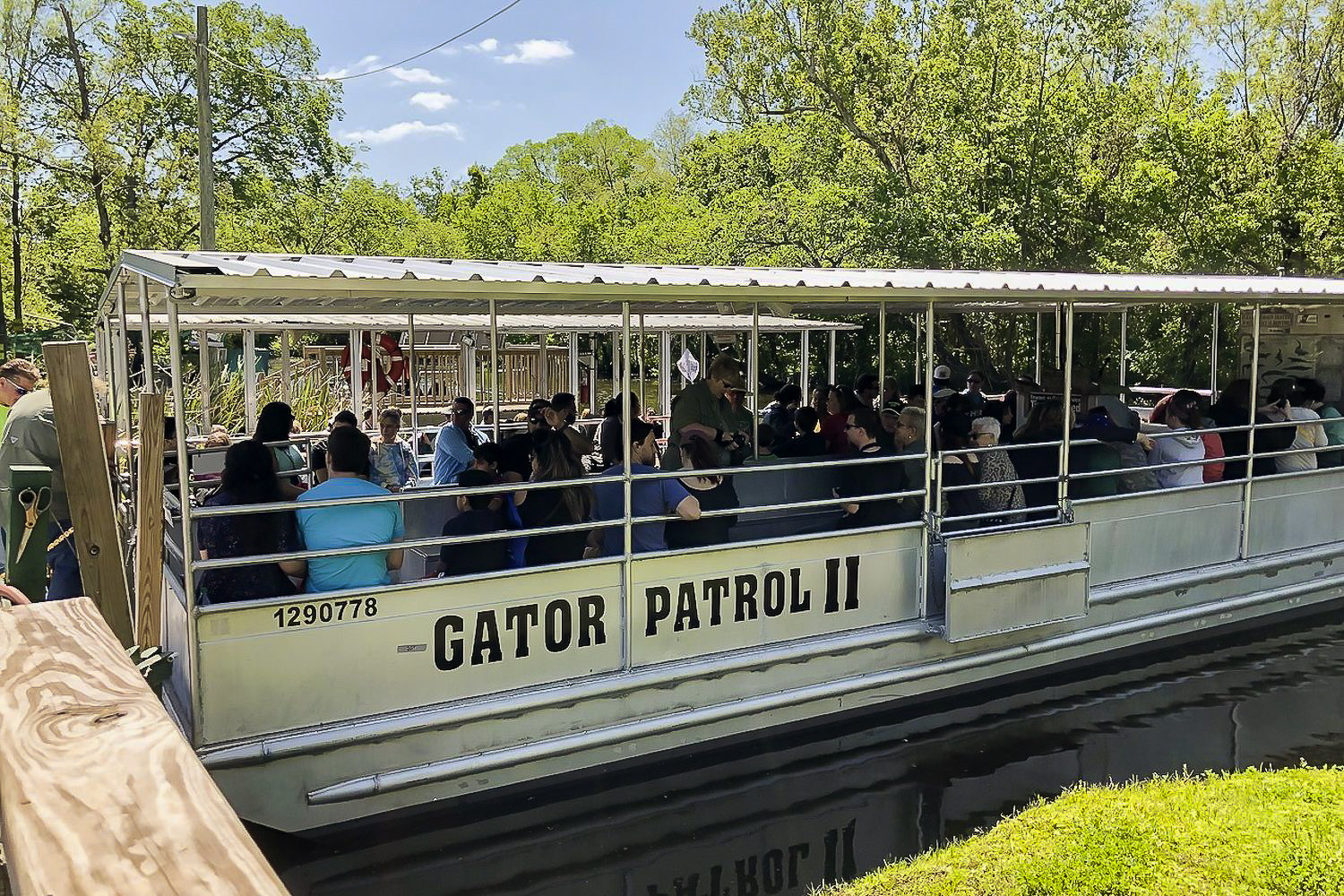
You depart New Orleans westbound on Interstate 10, crossing the Bonnet Carré Spillway where the Mississippi River meets Lake Pontchartrain. Your guide narrates the Great River Road's history as you pass sugarcane fields that still operate on 19th-century property lines. At Whitney Plantation, you walk grounds where original structures hold artifacts and oral histories. The memorial garden displays life-sized sculptures of enslaved children, each holding a plaque with their recorded testimony. You read names on the Wall of Honor, then enter the Big House for context on ownership and economics. After two hours, you transfer to the swamp tour launch. You board a flat-bottomed airboat that seats 12-18 passengers on elevated benches. The captain throttles through narrow channels lined with bald cypress and water tupelo. You spot a six-foot alligator basking on a mudbank, its ridged tail half-submerged. Great blue herons lift from the shallows as your boat cuts through duckweed. The captain explains how enslaved people used these waterways to navigate between plantations and how wetlands filtered runoff from sugar mills. You pause under a canopy where Spanish moss hangs in curtains, then accelerate across open water where egrets cluster on fallen logs. The tour concludes at the dock, and you return to New Orleans by mid-afternoon.
Oak Alley Plantation is open from 08:30–16:45 every day of the week. This schedule applies to all visitors throughout the year.
The 30 USD entrance fee covers admission with the Big House tour per adult at the gate. Taxes and other fees may apply depending on your booking source.
For your new orleans whitney plantation and swamp tour tour, the best arrival window is 08:30–10:00. Arriving early helps avoid larger midday tour groups and high heat.
Small bags are allowed but should be kept with you. Large items are not permitted inside historic structures during your new orleans whitney plantation and swamp tour visit.
Yes, there is an onsite restaurant available for visitors. It is recommended to grab lunch after your new orleans whitney plantation and swamp tour experience.
Photography is permitted in the gardens and outdoor areas. Please be respectful of other guests during your new orleans whitney plantation and swamp tour tour.
The grounds are partially accessible, featuring gravel paths that may be challenging for some mobility aids. The Big House includes stairs that limit full accessibility.
Bring sunscreen, insect repellent, a water bottle, and comfortable shoes for your new orleans whitney plantation and swamp tour trip. Preparing for heat and humidity is essential.
Pets are strictly prohibited at Oak Alley Plantation. Service animals are the only exception allowed on the property.